Introduction: Why Every Business Needs a Creative Graphic Designer
In today’s visually driven digital world, the role of a creative graphic designer has become essential for business success. Whether you are a startup, established company, or personal brand, strong visual design can completely transform how customers perceive your business.
Design is about much more than creating attractive visuals. It helps businesses communicate ideas clearly, build a memorable brand identity, and create emotional connections with their audience. From logo design and social media creatives to packaging and website visuals, professional design combines creativity with strategic thinking to deliver impactful results.
But what separates an average designer from an exceptional one? What skills should aspiring designers develop, and what qualities should businesses look for when hiring? This comprehensive guide explores the essential abilities, creative strengths, and professional qualities that define outstanding design professionals in 2026.
1. Mastery of Design Fundamentals and Design Thinking
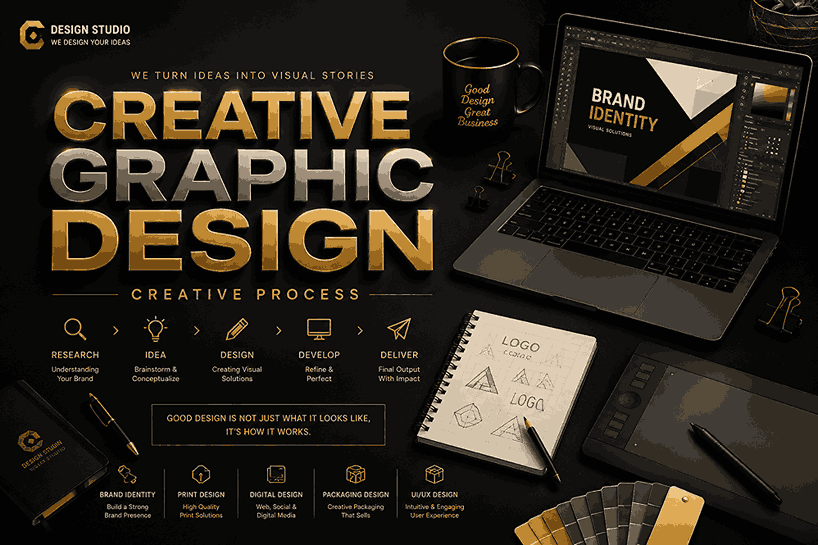
Before exploring advanced software tools and modern design trends, every designer must build a strong foundation in core design principles. These fundamentals are the backbone of effective visual communication and help create designs that are both attractive and functional.
Core Design Principles Every Professional Should Understand
Color Theory
Understanding how colors interact and influence human emotions is essential in visual design. Different colors communicate different messages—blue often represents trust and professionalism, red creates energy and urgency, while green is associated with growth and freshness.
Typography
Typography is much more than choosing stylish fonts. A skilled designer understands readability, hierarchy, spacing, and how typefaces reflect brand personality and tone.
Composition and Balance
The arrangement of visual elements plays a major role in creating harmony and guiding the viewer’s attention. Well-balanced layouts make designs more engaging and visually appealing.
White Space
Negative space is one of the most powerful tools in design. Proper spacing improves readability, enhances focus, and gives designs a clean, professional appearance.
Contrast and Emphasis
Strong contrast helps highlight key information and directs the viewer toward the most important elements within a design.
Beyond these principles, successful designers think strategically about every creative decision. Whether designing a logo, packaging, website, or marketing material, the focus should always remain on communication, functionality, and audience engagement.
This is where design thinking becomes important. Instead of simply making visuals look attractive, professional designers ask important questions: Who is the target audience? What problem does the design solve? What emotions should it create? This strategic approach is what separates experienced professionals from beginners.
2. Technical Proficiency in Design Software and Tools
While creativity is essential, modern designers must also be highly skilled with industry-standard software and digital tools. Technical proficiency helps transform creative ideas into professional visual solutions.
Essential Design Tools Every Professional Should Master
Adobe Creative Suite
Tools like Adobe Photoshop, Illustrator, and InDesign remain industry standards for photo editing, vector graphics, branding, layout design, and publishing work. Mastering these applications is important for handling a wide range of professional design projects.
Figma and Canva
Modern design projects increasingly involve digital interfaces, collaborative workflows, and social media content creation. Figma is widely used for UI/UX design and prototyping, while Canva offers quick and efficient design solutions for marketing materials and online content.
CorelDRAW
CorelDRAW continues to be popular for logo creation, vector illustration, and print-related design work, especially in branding and packaging industries.
Procreate and Digital Illustration Tools
For illustration-focused projects, tools like Procreate provide flexibility and creative freedom for sketching, digital painting, and artistic design work.
Animation and Motion Graphics Software
Motion graphics are becoming increasingly important in modern branding and digital marketing. Applications such as Adobe After Effects and Cinema 4D help create engaging animations, reels, and visual effects.
However, technical skills alone are not enough. Software is simply a tool for executing ideas. Strong creative thinking, problem-solving abilities, and strategic design understanding are what truly make a designer stand out. Someone with creative vision can continuously improve technical abilities, but advanced software knowledge without creativity often results in uninspiring work..
3. Strong Visual Communication and Conceptualization Skills
A creative graphic designer is, at heart, a visual communicator. This skill encompasses the ability to take abstract ideas, client briefs, and business objectives and translate them into compelling visual narratives.
What Sets Apart an Exceptional Creative Graphic Designer:
The difference between a mediocre and exceptional creative graphic design often comes down to conceptualization. When a client says “we want a modern logo,” an average designer might create something trendy and generic. An exceptional creative graphic design digs deeper—understanding the brand’s mission, target audience, competitive landscape, and unique value proposition—then creates something original and strategically aligned.
Visual communication skills include:
- Storytelling Through Design
- Every visual element should support a clear message or narrative. Strong design communicates a brand’s personality, values, and purpose in a way that connects emotionally with the audience.
- Adaptability Across Different Mediums
- Effective designs should work seamlessly across multiple platforms and formats. For example, a logo should remain recognizable and impactful whether it appears on a small favicon, social media post, packaging design, or large billboard.
- Rapid Ideation and Sketching
- Before moving into software, experienced designers often begin with rough sketches and concept exploration. Brainstorming multiple ideas on paper helps refine creativity and identify the strongest design direction before digital execution.
- Effective Feedback Integration: Professional work involves client feedback. The ability to receive criticism, understand underlying concerns, and incorporate feedback without losing creative integrity is crucial.
For more information, check this blog on Why Your Brand Needs A Strong Visual Identity
4. Understanding of Brand Strategy and Marketing Principles
Modern design professionals work at the intersection of creativity and business strategy. Understanding how design influences customer behavior and business growth is what separates strategic designers from those who simply create attractive visuals.
Why Business Knowledge Matters in Design
A designer who understands branding and marketing can create visuals that do more than look appealing—they help increase brand recognition, improve customer engagement, build trust, and drive conversions. When design aligns with business goals, it becomes far more valuable and impactful.
Key Marketing and Branding Skills Every Designer Should Understand
Brand Guidelines and Consistency
Professional designers maintain visual consistency across all platforms and marketing materials. Strong brand guidelines ensure that logos, colors, typography, and messaging remain unified across every customer touchpoint.
Understanding Target Audience Psychology
Successful design is built around the audience. Designers should understand customer behavior, preferences, demographics, and emotional triggers to create visuals that resonate effectively.
Competitive Analysis
Studying competitors helps identify industry trends, gaps, and opportunities. This allows designers to create unique branding that stands out in a crowded market.
Marketing Funnel and Customer Journey
Different design assets serve different purposes. Some designs create brand awareness, while others encourage engagement or conversions. Understanding the customer journey helps designers create more effective marketing visuals.
Performance and Results-Oriented Thinking
Modern design is increasingly data-driven. Strong designers analyze performance metrics, user engagement, and campaign results to improve designs and achieve better business outcomes over time.
5. Digital Literacy and UX/UI Design Understanding
In today’s digital-first world, modern designers must understand more than just static visuals. Knowledge of digital platforms, user experience, and interface design has become essential for creating effective and user-friendly designs.
Essential Digital Skills for Modern Designers
Web Design and Responsive Design
Designs must work smoothly across desktops, tablets, and mobile devices. Understanding responsive layouts helps ensure a consistent user experience across different screen sizes and platforms.
User Experience (UX) Principles
Good design is not only about appearance—it is also about usability. Designers should understand navigation, accessibility, user behavior, and how people interact with digital products.
User Interface (UI) Design
Creating clean, intuitive, and visually engaging interfaces is a critical skill in modern digital design. Effective UI design helps users interact with websites and applications more efficiently.
Interactive Design and Prototyping
Modern digital experiences often include animations, transitions, and interactive elements. Understanding prototyping tools and interaction design helps bring digital concepts to life.
Basic HTML and CSS Knowledge
While coding expertise is not mandatory, basic knowledge of HTML and CSS helps designers collaborate better with developers and understand technical limitations during implementation.
Mobile-First Design Thinking
Since most online traffic now comes from mobile devices, designers should prioritize mobile usability and ensure that digital experiences remain smooth, fast, and visually appealing on smaller screens.
6. Continuous Learning and Adaptability to Design Trends
Design trends evolve rapidly. What’s cutting-edge today becomes outdated tomorrow. A truly excellent creative graphic design maintains a growth mindset and stays current with industry evolution.
How Top Creative Graphic Designers Stay Ahead:
The design industry changes fast. AI tools, new software capabilities, emerging visual trends, and shifting consumer preferences mean that a creative graphic design from five years ago needs to continuously update their skills to remain competitive.
- Design Communities and Platforms: Exceptional graphic designer professionals stay connected through Dribbble, Behance, Designer Hangout, and other communities.
- Continuous Education: Whether through online courses, workshops, or conferences, the best graphic design professionals invest in learning.
- Industry Publications: A creative graphic design serious about their craft reads design blogs, follows thought leaders, and subscribes to industry publications.
- Experimentation: The most creative creative graphic designer work emerges from playing with new techniques, tools, and styles outside client work.
7. Communication, Professionalism, and Project Management Abilities
Finally, technical and creative skills matter little if a designer cannot work effectively with clients, stakeholders, and teams. Communication and professionalism are often the qualities that separate an average designer from a truly reliable professional.
The Soft Skills That Make a Designer Professional
Clear Communication
A professional designer should be able to explain design decisions clearly, understand client requirements, and translate business goals into effective visual solutions.
Presentation Skills
Presenting concepts confidently is important. A designer should communicate not only what was created, but also why the design works strategically.
Project Management
Meeting deadlines, handling revisions efficiently, and maintaining organized workflows are essential qualities of a dependable designer.
Client Relationship Management
Successful projects often come from strong long-term relationships built on trust, reliability, transparency, and professionalism.
Handling Feedback Professionally
Design is subjective, and constructive feedback is part of the creative process. A skilled designer views feedback as an opportunity to improve the final outcome.
Collaboration Skills
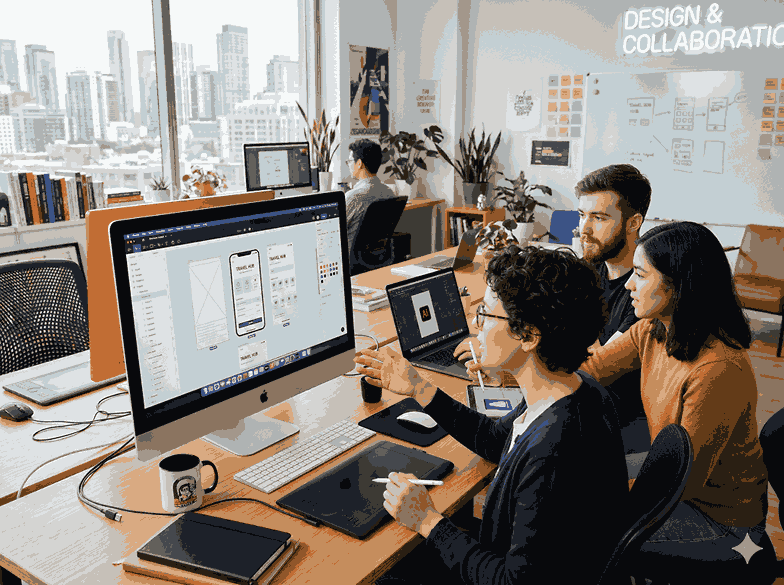
Modern design projects usually involve working closely with developers, marketers, copywriters, and other team members to achieve the best results.
Where to Find and Partner With a Creative Graphic Designer
Understanding what makes an excellent creative graphic designer is one thing; finding the right professional for your specific needs is another challenge entirely.
Whether you’re a small business needing a logo redesign, an established company requiring comprehensive brand identity work, or a startup building your visual identity from scratch, partnering with the right creative graphic designer can be transformative.
Evaluating Potential Partners:
When searching for a creative graphic designer, look for these indicators of quality:
- A strong portfolio demonstrating range, strategy, and problem-solving ability
- Clear understanding of your business, industry, and target audience
- Thoughtful questions before diving into design work
- Realistic timelines and transparent pricing
- References or case studies showing measurable business impact
- Professionalism, responsiveness, and project management capability
At Logo Designer India, we’ve built our reputation on delivering exactly this kind of strategic, professional creative graphic design work. Our team of experienced designers combines artistic expertise with business acumen to create visual identities that look exceptional and drive real business results.Whether you need a complete brand identity system, logo design, packaging graphics, or digital design work, a professional creative graphic designer brings clarity and strategy to your visual presence. Our designers don’t just create graphics; they solve communication challenges and build brand assets that stand the test of time.
Industry Insights: The Evolving Role of the Creative Graphic Designer
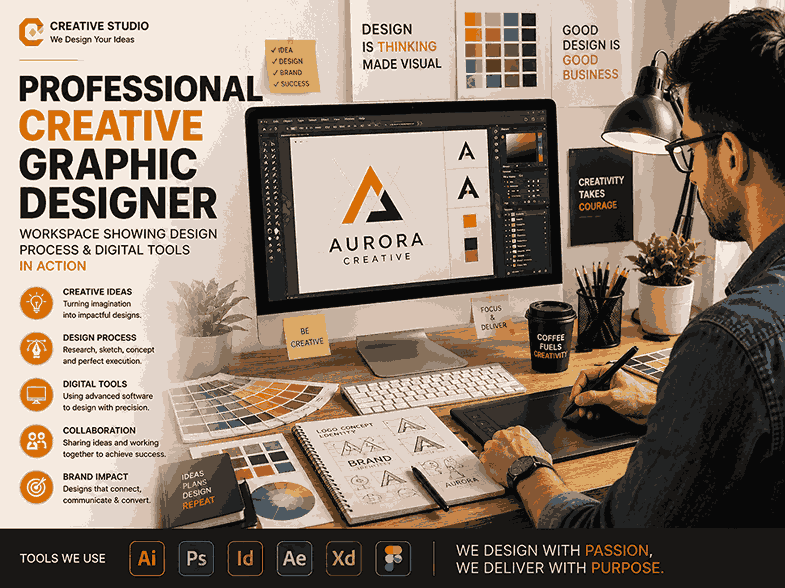
The design industry is undergoing significant transformation. Understanding these shifts helps clarify what qualities matter most in a creative graphic designer today.
Emerging Trends Shaping Creative Graphic Designer Roles:
AI and Automation in Design
AI-powered tools are helping automate repetitive design tasks, allowing designers to focus more on creativity, strategy, branding, and conceptual problem-solving.
Specialization vs. Generalization
Some professionals choose to specialize in areas such as packaging design, branding, motion graphics, or UI/UX design, while others prefer to work as versatile generalists across multiple creative fields.
Sustainability in Design
Modern designers are becoming more conscious of environmental responsibility, especially in print, packaging, and material selection. Sustainable design practices are increasingly important for brands and consumers alike.
Data-Driven Design Decisions
Successful design is now supported by analytics, user behavior insights, and A/B testing. Data helps designers understand what works best and improve visual communication based on real audience engagement.
Remote Collaboration and Global Teams
Many design professionals now work remotely and collaborate with clients, developers, marketers, and creative teams across different cities, countries, and time zones. Strong communication and digital collaboration skills have become essential.
Conclusion: Investing in Professional Creative Graphic Designer Excellence
The role of the creative graphic designer has never been more important. In a world overflowing with visual information, professional design creates clarity, builds trust, and drives business results.
Whether you’re building a brand from scratch or refreshing an established visual identity, the quality of your creative graphic designer partnership directly impacts your business success. Look for professionals who combine technical skill, creative thinking, strategic perspective, and strong communication abilities.
The seven skills covered in this guide—design fundamentals, technical proficiency, visual communication, business acumen, digital literacy, continuous learning, and professional communication—define excellence in the modern creative graphic designer profession.
As you evaluate potential creative graphic designer partners, remember that the cheapest option rarely delivers the best value. Professional design is an investment in your brand’s future, and finding the right creative graphic designer who understands your vision, business, and audience will pay dividends for years to come.
Ready to Transform Your Brand with Creative Design?
Whether you need a professional logo, eye-catching packaging, social media creatives, company profile designs, or professional brochure design services, expert creative solutions can help your business stand out and grow faster in today’s competitive market.
Our Professional Design Services
Logo Design
Packaging Design
Company Profile Design
Brochure Design
Contact for Professional Graphic Design Services
Logo Designer India
🌐 Website: logodesignerindia.in
📞 Contact Number: 9854661818
Frequently Asked Questions About Creative Graphic Designers
1.What’s the difference between a graphic designer and a creative graphic designer?
While all creative graphic designers are graphic designers, not all graphic designers are creative graphic designers. The distinction lies in strategic thinking and originality. A creative graphic designer combines aesthetic skills with conceptual thinking, solving visual communication problems through original solutions. They think strategically about brand impact and business objectives, rather than simply executing design requests.
2.How much does hiring a professional creative graphic designer cost?
Costs vary widely based on experience level, location, project complexity, and scope. A professional freelance creative graphic designer might charge $500-$3,000+ for a logo design. Agency-level work typically ranges from $3,000-$20,000+ for comprehensive branding projects. While professional creative graphic designer services require investment, the business impact—improved brand perception, higher conversion rates, enhanced customer loyalty—typically exceeds the design cost many times over.
3.What should I include in a brief for a creative graphic designer?
A strong creative graphic designer brief includes: business objectives, target audience details, competitor analysis, brand values and personality, specific deliverables, timeline, budget, and any style preferences. The more thorough your brief, the better a creative graphic designer can deliver strategic work aligned with your vision. The best creative graphic designer professionals ask clarifying questions to ensure they fully understand your needs.
4.How long should a creative graphic designer project typically take?
Timeline depends on project complexity. A simple logo design might take 2-4 weeks; comprehensive brand identity systems can take 6-12 weeks or more. A professional creative graphic designer builds in time for discovery, ideation, refinement, and revisions. Rushing a talented creative graphic designer typically results in compromised work—good design requires adequate time for thoughtful conceptualization.
How do I evaluate a creative graphic designer’s portfolio?
Look for range (can they work in different styles?), strategic thinking (do designs solve problems or just look pretty?), consistency (do their standards remain high?), and evolution (does their work show growth over time?). Ask about specific projects—how a creative graphic designer explains their process and decision-making reveals their professionalism and depth of thinking. Request case studies showing business impact, not just pretty pictures.
5.Can a creative graphic designer help with brand strategy or just design?
The best creative graphic designers operate at the intersection of strategy and design. While not all serve as brand strategists, professional creative graphic designer professionals ask strategic questions, conduct research, and ensure design decisions align with business objectives. A creative graphic designer who only executes without strategic thinking delivers less valuable work than one who understands and informs your business strategy.