
7 Essential Skills Every Creative Graphic Designer Needs to Succeed in 2026
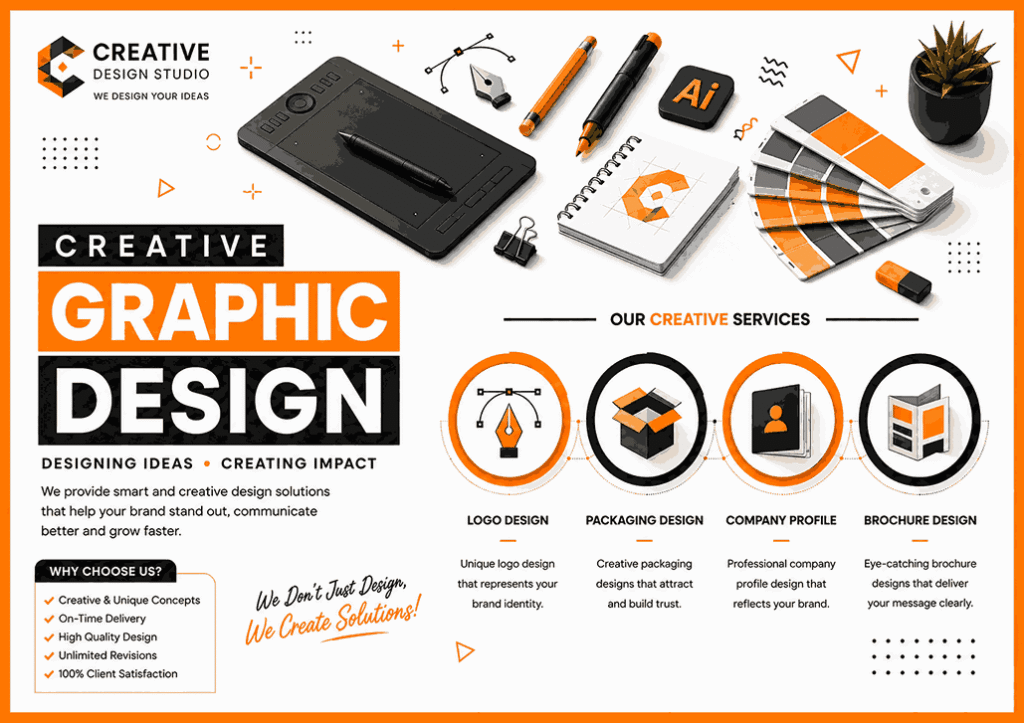
Introduction: Why Every Business Needs a Creative Graphic Designer In today’s visually driven digital world, the role of a creative graphic designer has become essential for business success. Whether you are a startup, established company, or personal brand, strong visual design can completely transform how customers perceive your business. Design is about much more than creating attractive visuals. It helps businesses communicate ideas clearly, build a memorable brand identity, and create emotional connections with their audience. From logo design and social media creatives to packaging and website visuals, professional design combines creativity with strategic thinking to deliver impactful results. But what separates an average designer from an exceptional one? What skills should aspiring designers develop, and what qualities should businesses look for when hiring? This comprehensive guide explores the essential abilities, creative strengths, and professional qualities that define outstanding design professionals in 2026. 1. Mastery of Design Fundamentals and Design Thinking Before exploring advanced software tools and modern design trends, every designer must build a strong foundation in core design principles. These fundamentals are the backbone of effective visual communication and help create designs that are both attractive and functional. Core Design Principles Every Professional Should Understand Color TheoryUnderstanding how colors interact and influence human emotions is essential in visual design. Different colors communicate different messages—blue often represents trust and professionalism, red creates energy and urgency, while green is associated with growth and freshness. TypographyTypography is much more than choosing stylish fonts. A skilled designer understands readability, hierarchy, spacing, and how typefaces reflect brand personality and tone. Composition and BalanceThe arrangement of visual elements plays a major role in creating harmony and guiding the viewer’s attention. Well-balanced layouts make designs more engaging and visually appealing. White SpaceNegative space is one of the most powerful tools in design. Proper spacing improves readability, enhances focus, and gives designs a clean, professional appearance. Contrast and EmphasisStrong contrast helps highlight key information and directs the viewer toward the most important elements within a design. Beyond these principles, successful designers think strategically about every creative decision. Whether designing a logo, packaging, website, or marketing material, the focus should always remain on communication, functionality, and audience engagement. This is where design thinking becomes important. Instead of simply making visuals look attractive, professional designers ask important questions: Who is the target audience? What problem does the design solve? What emotions should it create? This strategic approach is what separates experienced professionals from beginners. 2. Technical Proficiency in Design Software and Tools While creativity is essential, modern designers must also be highly skilled with industry-standard software and digital tools. Technical proficiency helps transform creative ideas into professional visual solutions. Essential Design Tools Every Professional Should Master Adobe Creative SuiteTools like Adobe Photoshop, Illustrator, and InDesign remain industry standards for photo editing, vector graphics, branding, layout design, and publishing work. Mastering these applications is important for handling a wide range of professional design projects. Figma and CanvaModern design projects increasingly involve digital interfaces, collaborative workflows, and social media content creation. Figma is widely used for UI/UX design and prototyping, while Canva offers quick and efficient design solutions for marketing materials and online content. CorelDRAWCorelDRAW continues to be popular for logo creation, vector illustration, and print-related design work, especially in branding and packaging industries. Procreate and Digital Illustration ToolsFor illustration-focused projects, tools like Procreate provide flexibility and creative freedom for sketching, digital painting, and artistic design work. Animation and Motion Graphics SoftwareMotion graphics are becoming increasingly important in modern branding and digital marketing. Applications such as Adobe After Effects and Cinema 4D help create engaging animations, reels, and visual effects. However, technical skills alone are not enough. Software is simply a tool for executing ideas. Strong creative thinking, problem-solving abilities, and strategic design understanding are what truly make a designer stand out. Someone with creative vision can continuously improve technical abilities, but advanced software knowledge without creativity often results in uninspiring work.. 3. Strong Visual Communication and Conceptualization Skills A creative graphic designer is, at heart, a visual communicator. This skill encompasses the ability to take abstract ideas, client briefs, and business objectives and translate them into compelling visual narratives. What Sets Apart an Exceptional Creative Graphic Designer: The difference between a mediocre and exceptional creative graphic design often comes down to conceptualization. When a client says “we want a modern logo,” an average designer might create something trendy and generic. An exceptional creative graphic design digs deeper—understanding the brand’s mission, target audience, competitive landscape, and unique value proposition—then creates something original and strategically aligned. Visual communication skills include: 4. Understanding of Brand Strategy and Marketing Principles Modern design professionals work at the intersection of creativity and business strategy. Understanding how design influences customer behavior and business growth is what separates strategic designers from those who simply create attractive visuals. Why Business Knowledge Matters in Design A designer who understands branding and marketing can create visuals that do more than look appealing—they help increase brand recognition, improve customer engagement, build trust, and drive conversions. When design aligns with business goals, it becomes far more valuable and impactful. Key Marketing and Branding Skills Every Designer Should Understand Brand Guidelines and ConsistencyProfessional designers maintain visual consistency across all platforms and marketing materials. Strong brand guidelines ensure that logos, colors, typography, and messaging remain unified across every customer touchpoint. Understanding Target Audience PsychologySuccessful design is built around the audience. Designers should understand customer behavior, preferences, demographics, and emotional triggers to create visuals that resonate effectively. Competitive AnalysisStudying competitors helps identify industry trends, gaps, and opportunities. This allows designers to create unique branding that stands out in a crowded market. Marketing Funnel and Customer JourneyDifferent design assets serve different purposes. Some designs create brand awareness, while others encourage engagement or conversions. Understanding the customer journey helps designers create more effective marketing visuals. Performance and Results-Oriented ThinkingModern design is increasingly data-driven. Strong designers analyze performance metrics, user engagement, and campaign results to improve designs and achieve better business outcomes over time. 5. Digital Literacy