
PRODUCT PACKAGING DESIGNER: 21 Powerful Reasons Why a Professional Packaging Designer Transforms Your Brand in 2025
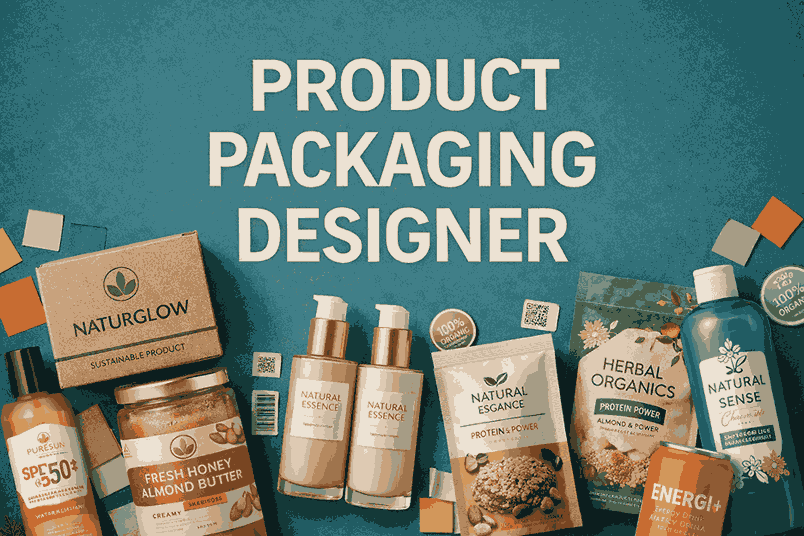
Introduction: A PRODUCT PACKAGING DESIGNER is no longer just someone who makes boxes or labels look attractive. In 2025, packaging is a sales tool, a brand ambassador, and a decision-maker at the shelf. Consumers today judge products within 3–5 seconds.Your packaging decides whether they pick your product—or your competitor’s. This is why brands across food, cosmetics, FMCG, pharma, and eCommerce invest heavily in professional product packaging designers. In this in-depth guide, you’ll learn: Whether you are launching a startup or redesigning an existing product, this guide will help you make smarter packaging decisions. What Is a PRODUCT PACKAGING DESIGNER? A PRODUCT PACKAGING DESIGNER is a branding specialist who designs the visual and structural packaging of a product to: Packaging design goes far beyond colors and fonts. It includes: A professional packaging designer combines marketing psychology, design principles, and print knowledge to create packaging that sells. Why PRODUCT PACKAGING DESIGNER Is Critical for Business Growth 1. Packaging Is the First Physical Touchpoint Before customers try your product, they experience your packaging. Great packaging: Poor packaging does the opposite—even if your product is excellent. 2. A PACKAGING DESIGNER Turns Browsers into Buyers Packaging directly influences purchasing behavior. A professional packaging designer: This increases: 3. Packaging Builds Brand Recognition Consistent packaging design helps customers remember you. A skilled product packaging designer ensures: Over time, customers recognize your brand without reading the name. Key Responsibilities of a PRODUCT PACKAGING DESIGNER A professional product packaging designer handles multiple tasks, including: They also ensure your packaging works in: Types of PRODUCT PACKAGING DESIGN Services Box Packaging Design Used for: A product packaging designer ensures the box: Label Packaging Design Labels are critical for: A professional designer focuses on: Pouch & Flexible Packaging Design Flexible packaging is booming in 2025. A product packaging designer designs: These require expertise in: How a PACKAGING DESIGNER Uses Psychology Great packaging design is rooted in consumer psychology. A professional product packaging designer uses: Example: This psychological approach directly affects buying decisions. Storytelling Through PRODUCT PACKAGING DESIGN Packaging tells a story—without words. A good product packaging designer: For example: Customers connect emotionally with brands that tell stories. PACKAGING DESIGNER vs DIY Packaging Many businesses try DIY packaging to save costs. This often leads to: A professional product packaging designer: In the long run, professional packaging is more affordable. Common Mistakes a PACKAGING DESIGNER Helps Avoid A skilled packaging designer prevents errors such as: These mistakes can cost brands: What Makes a Great PRODUCT PACKAGING DESIGNER in 2025 A high-quality product packaging designer should have: They should understand: Bonus Insight #1 (of 10): Shelf Impact Testing Top packaging designers test: This ensures your packaging stands out in real-world conditions. The Step-by-Step Process Followed by a PRODUCT PACKAGING DESIGNER A professional PACKAGING DESIGNER follows a structured process to ensure the final packaging is visually strong, functional, and market-ready. Skipping steps often leads to redesigns and extra costs. 1. Brand & Product Discovery The first step is understanding your brand. A product packaging designer studies: This ensures the design aligns with your business goals. 2. Market & Competitor Analysis Packaging does not exist in isolation. A professional product packaging designer analyzes: The goal is differentiation—not imitation. 3. Packaging Concept Development Based on research, the designer creates multiple concepts. Each concept focuses on: This stage defines how customers will perceive your product. 4. Structural Layout & Dieline Design Packaging must be practical. A product packaging designer ensures: This avoids printing and manufacturing errors. 5. Visual Design & Information Hierarchy This is where design meets strategy. A professional product packaging designer carefully places: Everything is arranged for clarity and impact. 6. Print-Ready File Preparation Final files are prepared in: This step ensures smooth printing with no surprises. Industry-Specific Role of a PACKAGING DESIGNER Different industries require different packaging approaches. Food Packaging Design Food packaging must balance: A product packaging designer focuses on: Poor food packaging directly affects sales. Cosmetic & Beauty Packaging Beauty buyers are highly visual. A professional product packaging designer uses: Packaging must reflect luxury and quality. Pharma & Healthcare Packaging Accuracy and clarity matter most. A product packaging designer ensures: Trust is the primary goal in pharma packaging. FMCG & Retail Packaging Fast-moving products require: A product packaging designer creates designs that sell within seconds. Sustainable Packaging: A Key Focus for PRODUCT PACKAGING DESIGNER in 2025 Sustainability is no longer optional. Modern product packaging designers prioritize: Consumers increasingly choose brands that care about the environment. 10 Powerful Bonus Insights from a PRODUCT PACKAGING DESIGNER These are expert-level insights most blogs miss. Bonus Point 1: Packaging Is a Silent Salesperson Packaging speaks even when no salesperson is present. A packaging designer designs packaging to: Bonus Point 2: Typography Can Increase Trust Fonts influence perception. Professional packaging designers choose typography that: Bad fonts reduce credibility instantly. Bonus Point 3: White Space Improves Perceived Value Crowded packaging looks cheap. A skilled packaging designer uses white space to: Less clutter means more impact. Bonus Point 4: Consistency Builds Brand Memory Using consistent design elements across products creates recognition. A packaging designer builds: Customers remember what they recognize. Bonus Point 5: Shelf Distance Matters Packaging must be readable from a distance. Professional designers test: This ensures shelf visibility in real stores. Bonus Point 6: Material Choice Affects Perception Material communicates quality. A packaging designer recommends: The feel of packaging influences buying decisions. Bonus Point 7: Packaging Should Photograph Well In 2025, packaging lives online too. A professional packaging designer ensures packaging: Digital visibility matters as much as shelf presence. Bonus Point 8: Minimal Redesign Can Boost Sales Sometimes small changes make a big difference. A product packaging designer may tweak: Even minor improvements can increase conversions. Bonus Point 9: Legal Errors Can Kill a Product Missing information can stop product distribution. A professional packaging designer: This protects your business. Bonus Point 10: Packaging Influences Repeat Purchases Great packaging builds loyalty. Customers are more likely to repurchase products that: A packaging designer designs for long-term success. Recommended Links For