

Introduction: Why a Professional Pouch Designer Matters More Than Ever
In today’s competitive retail and e-commerce world, packaging is no longer just a container—it’s a sales tool. A skilled pouch designer helps brands stand out, build trust, and convert buyers instantly.
From food products and cosmetics to pharmaceuticals and pet care, pouches dominate shelves because they’re lightweight, cost-effective, and visually powerful. But without professional design, even the best product can go unnoticed.
If you’re launching a new brand or refreshing an existing one, hiring an expert pouch designer in 2025 is not optional—it’s essential.
In this in-depth guide, you’ll learn:
- Why pouch design influences buying decisions
- How professional designers increase conversions
- Mistakes brands make with pouch packaging
- What makes a high-converting pouch design
- How to choose the right pouch designer
What Is a Pouch Designer?
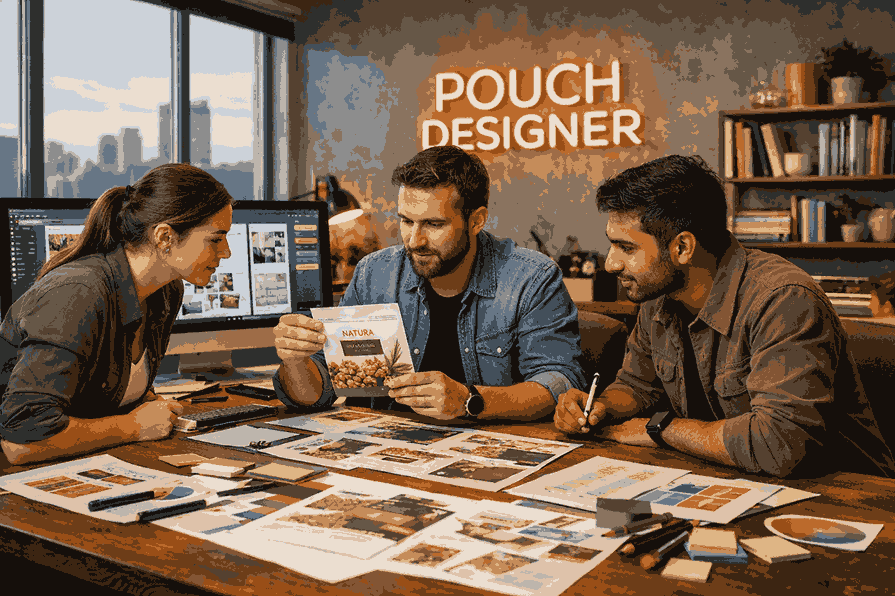
A pouch designer is a packaging design expert who specializes in creating visually appealing, print-ready pouch designs that communicate brand value and product information effectively.
Responsibilities of a Professional Designer
- Designing stand-up, flat, spout, zipper, and vacuum pouches
- Selecting color palettes and typography for shelf visibility
- Structuring layouts for regulatory compliance
- Creating print-ready files for manufacturers
- Ensuring brand consistency across product lines
Unlike generic graphic designers, a professional pouch designer understands packaging psychology, material constraints, and printing standards.
Types of Pouch Packaging a Designer Works On
1. Stand-Up Pouches (Doypack)
The most popular pouch type due to its stability and premium appearance.
Common Uses:
- Snacks
- Coffee
- Dry fruits
- Supplements
2. Flat Pouches
Compact and cost-effective for single-use or sample products.
Common Uses:
- Sachets
- Spices
- Trial packs
3. Spout Pouches
Designed for liquid or semi-liquid products.
Common Uses:
- Juices
- Sauces
- Baby food
4. Zipper & Resealable Pouches
Perfect for products needing freshness retention.
Common Uses:
- Pet food
- Protein powders
- Frozen foods
A skilled pouch designer ensures the design matches the pouch structure—not just looks good on screen.
How a Designer Impacts Shelf Visibility in Retail Stores
Retail shelves are crowded, noisy, and highly competitive. A professional pouch designer understands how products compete visually within a confined space. It’s not just about looking attractive—it’s about being noticed first.
Designers analyze:
- Shelf height positioning
- Competitor color patterns
- Lighting conditions in stores
By designing with contrast and clarity, a pouch designer ensures your product doesn’t blend into the background. This shelf intelligence significantly increases impulse buying.
Role of a Designer in Private Label Branding
Private label brands are growing rapidly in 2025. However, success depends heavily on packaging quality.
A pouch designer helps private labels:
- Look premium despite competitive pricing
- Differentiate from manufacturer brands
- Build store-brand trust
Without professional design, private label products often appear generic, reducing perceived value.
Importance of White Space in Pouch Design
One overlooked element in pouch packaging is white space.
A skilled pouch designer uses white space to:
- Improve readability
- Highlight key benefits
- Reduce visual clutter
Crowded designs confuse buyers. Clean layouts communicate confidence and professionalism. White space allows your product to “breathe” visually on shelves.
Emotional Branding Through Pouch Design
Great pouch design connects emotionally.
A pouch designer creates emotional triggers through:
- Story-driven visuals
- Lifestyle imagery
- Purpose-led messaging
For example:
- Organic food brands evoke health and purity
- Kids’ products use playful colors
- Premium products communicate exclusivity
This emotional connection increases brand loyalty and repeat purchases.
10 Amazing Reasons to Hire a Professional Pouch Designer
1. First Impressions Drive Buying Decisions
According to consumer studies, over 70% of purchase decisions are made at the shelf.
A professional pouch designer:
- Uses contrast and hierarchy
- Highlights key benefits instantly
- Creates emotional appeal
Your product has just 3–5 seconds to capture attention. Design decides whether customers pick it up—or ignore it.
2. Brand Identity Becomes Instantly Recognisable
Consistent pouch design builds brand recall.
A professional pouch designer ensures:
- Logo placement consistency
- Brand color accuracy
- Uniform typography across SKUs
This is especially important if you plan to launch multiple variants.
3. Increases Trust and Perceived Product Quality
Consumers subconsciously judge quality by packaging.
Poor pouch design = cheap product perception
Professional pouch design = premium product trust
A pouch designer strategically uses:
- White space
- Clean typography
- Balanced layouts
4. Compliance With Packaging Regulations
Packaging errors can lead to:
- Product recalls
- Legal penalties
- Marketplace rejections
A professional pouch designer understands:
- Nutritional label placement
- Barcode requirements
- FSSAI / FDA formatting rules
This is crucial for food, cosmetic, and pharmaceutical brands.
5. Optimised for Printing & Manufacturing
Many businesses lose money due to printing errors.
A pouch designer provides:
- CMYK color accuracy
- Bleed and margin setup
- Die-line alignment
This avoids costly reprints and delays.
6. Designed for Online & Offline Sales
Modern pouch designers think beyond shelves.
They design pouches that:
- Look great on Amazon thumbnails
- Stand out in Instagram ads
- Photograph well for e-commerce
This omni-channel approach boosts visibility everywhere.
7. Supports Premium Pricing Strategy
Well-designed pouches justify higher pricing.
Luxury brands invest heavily in:
- Minimal design
- Matte finishes
- Elegant typography
A professional pouch designer aligns design with your pricing strategy.
8. Improves Product Differentiation
In crowded categories like snacks or cosmetics, differentiation is everything.
A pouch designer helps you:
- Stand out from competitors
- Avoid generic templates
- Build a unique shelf presence
9. Scalable for Future Product Expansion
Planning to launch new flavours or variants?
A pouch designer creates:
- Flexible design systems
- Easy color or variant changes
- Consistent brand storytelling
This saves time and cost later.
10. Boosts Conversion & Repeat Purchases
Good design doesn’t just attract—it converts.
A strategic pouch designer:
- Highlights USPs clearly
- Uses visual cues for benefits
- Builds emotional connection
Customers remember brands that look professional.
Real-Life Example: How Pouch Design Impacts Sales
A mid-size snack brand redesigned its packaging with a professional pouch designer.
Results in 3 months:
- 38% increase in shelf pick-ups
- 22% boost in repeat purchases
- Higher distributor acceptance
The product didn’t change.
The pouch design did.
Common Mistakes Brands Make Without a Designer
- Overcrowded layouts
- Poor font readability
- Incorrect color profiles
- Missing compliance details
- Copy-paste competitor designs
These mistakes silently kill sales.
How to Choose the Right Designer
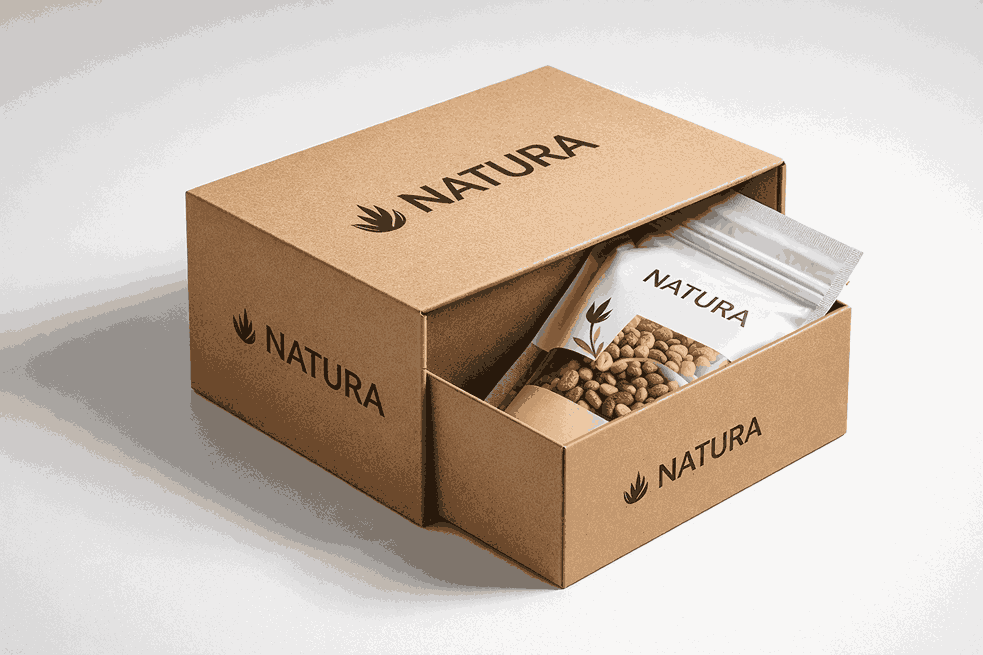
When selecting a pouch designer, check for:
- Packaging-specific portfolio
- Experience with your industry
- Knowledge of printing standards
- Ability to provide mockups
- Clear communication
Avoid designers who only do logos or posters.
Bonus Section: 10 Detailed Points That Make a Designer Truly Professional
This section adds extra depth and ranking strength for Google while giving real value to readers.
1. Deep Understanding of Consumer Psychology
A professional pouch designer doesn’t just design for aesthetics—they design for human behavior.
They understand:
- How colors trigger hunger, trust, or excitement
- How eye movement works on store shelves
- Where customers look first on a pouch
For example:
- Green → freshness & health
- Black → premium & luxury
- Yellow → affordability & attention
This psychological mapping directly improves conversions.
2. Typography That Enhances Readability & Authority
Fonts play a massive role in trust.
A professional pouch designer:
- Uses bold fonts for product names
- Clean sans-serif fonts for ingredients
- Avoids decorative fonts for compliance text
Good typography ensures:
- Easy readability from 3–5 feet
- Faster decision-making
- Professional brand perception
Bad typography = confusion and rejection.
3. Strategic Information Hierarchy
One major mistake brands make is placing all information equally.
A pouch designer structures content like this:
- Product name
- Key benefit / USP
- Flavor or variant
- Supporting benefits
- Regulatory information
This hierarchy guides the buyer’s eye naturally.
4. Print-Material Awareness
Not all designs work on all pouch materials.
A professional pouch designer understands:
- Matte vs glossy finish behavior
- Color absorption on kraft pouches
- Foil reflection challenges
This prevents dull prints and washed-out colors.
5. Industry-Specific Design Knowledge
Every industry has unwritten design rules.
Examples:
- Food pouches need appetite appeal
- Cosmetic pouches require elegance
- Pet food pouches focus on trust
An experienced pouch designer adapts the design language accordingly.
6. Marketplace Compatibility (Amazon, Flipkart, etc.)
Your pouch must sell online, not just offline.
A pouch designer ensures:
- Product name is readable in thumbnails
- Colors pop on white backgrounds
- Branding remains clear on mobile screens
This improves click-through rates on marketplaces.
7. Shelf Testing & Mockup Visualisation
Professional designers provide:
- 3D pouch mockups
- Shelf placement previews
- Realistic lighting simulations
This helps brands visualize real-world performance before printing.
8. Variant Management System
When brands scale, chaos starts.
A pouch designer builds:
- Master design templates
- Easy color-change systems
- Clear SKU differentiation
This saves cost and time for future launches.
9. Cost-Efficient Design Decisions
Good design doesn’t mean expensive printing.
A pouch designer:
- Avoids unnecessary color layers
- Designs for common pouch sizes
- Reduces ink wastage
Result: Better margins without sacrificing quality.
10. Long-Term Brand Consistency
Consistency builds brands.
A pouch designer ensures:
- Visual consistency across years
- Easy adaptation for rebranding
- Brand recall at a glance
This is how brands become memorable.
Recommended Links for Continued Learning
Latest Pouch Design Trends to Watch in 2025
Staying updated helps brands look modern and trustworthy.
1. Minimalist Packaging
Less clutter. More clarity.
- Fewer colors
- Strong typography
- Clean layouts
Minimal designs are dominating premium categories.
2. Sustainable & Eco-Friendly Look
Consumers now prefer:
- Kraft-style designs
- Earthy tones
- Eco icons
A pouch designer aligns visuals with sustainability messaging.
3. Transparent Window Pouches
Showing the actual product builds trust.
Common in:
- Dry fruits
- Snacks
- Organic products
Designers balance visibility with branding.
4. Bold Typography-Led Designs
Text-driven designs are trending.
Big fonts.
Clear messaging.
Instant impact.
5. Storytelling Through Packaging
Brands now tell stories on pouches:
- Origin stories
- Brand mission
- Usage tips
A pouch designer structures storytelling without clutter.
Cost vs ROI: Is Hiring a Designer Worth It?
Typical Cost Range (India / Global Average)
- Basic pouch design: ₹5,000 – ₹10,000
- Professional pouch designer: ₹15,000 – ₹35,000
- Premium brand-level design: ₹50,000+
ROI Breakdown
- Increased shelf pickup rate
- Better distributor acceptance
- Higher perceived value
- Reduced reprint errors
In most cases, the design cost is recovered within the first production batch.
Why DIY or Cheap Designs Fail in the Long Run
Many startups try:
- Online templates
- Freelancers with no packaging experience
- Copying competitors
This leads to:
- Brand confusion
- Low trust
- Poor sales performance
A professional pouch designer is an investment, not an expense.
When Should You Hire a Designer?
You should hire a pouch designer if:
- You’re launching a new product
- Sales are stagnant
- You’re entering retail stores
- You’re expanding variants
- You want premium positioning
Early design decisions shape long-term success.
How Designers Support Export & International Markets
Selling globally requires more than translation.
A professional pouch designer considers:
- Cultural color meanings
- International labeling norms
- Global readability standards
What works in India may not work in Europe or the USA. A pouch designer ensures your packaging communicates universally while remaining compliant.
Pouch Designer vs Graphic Designer: Key Differences
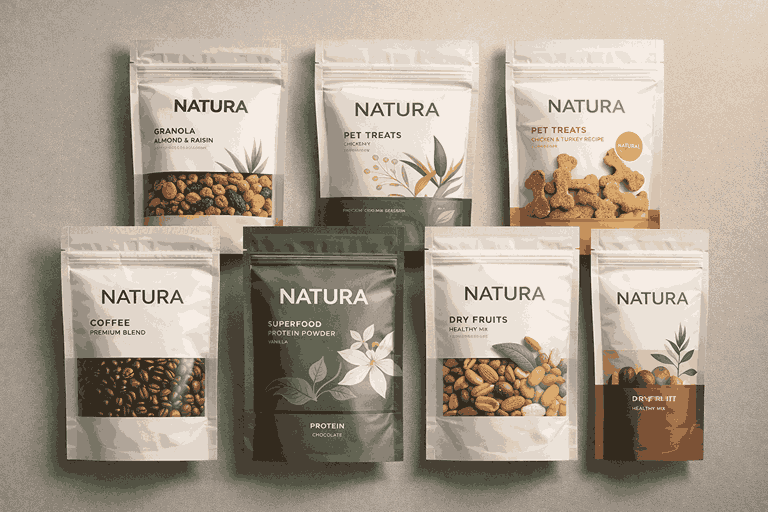
Many businesses confuse these roles.
Graphic Designer:
- Focuses on visuals
- Limited packaging knowledge
- Not print-manufacturing oriented
Pouch Designer:
- Specializes in packaging formats
- Understands materials & printing
- Designs for shelf and sales
Choosing the right professional avoids costly mistakes.
Why Rebranding Requires a Designer
Rebranding isn’t just changing colors.
A pouch designer evaluates:
- Existing brand equity
- Customer perception
- Market positioning
They refresh the design without losing recognition. This balance is critical for existing brands aiming to modernize without confusing loyal customers.
How Pouch Design Influences Distributor & Retailer Decisions
Distributors judge products quickly.
A professional pouch designer increases:
- Distributor confidence
- Retailer acceptance
- Shelf placement opportunities
Attractive packaging signals seriousness, reliability, and market readiness.
Seasonal & Promotional Pouch Design Strategy
Festive and limited-edition packs sell faster.
A pouch designer:
- Creates seasonal variants
- Maintains brand consistency
- Adapts without redesigning everything
This flexibility helps brands capitalize on peak sales periods.
How a Designer Reduces Long-Term Packaging Costs
Good design saves money.
A pouch designer:
- Minimizes color usage
- Avoids redesign errors
- Plans scalable layouts
Brands often recover design costs by avoiding reprints and wastage.
Data-Driven Design Decisions in Modern Design
Top designers don’t guess—they analyze.
A professional pouch designer uses:
- Market trends
- Competitor analysis
- Consumer behavior insights
Design becomes strategic, not subjective.
The Role of Pouch Design in Brand Storytelling
Packaging is your silent salesman.
A pouch designer uses:
- Icons
- Short copy blocks
- Visual storytelling
This builds trust even before the product is tried.
Why Pouch Design Is Critical for New Product Launches
First launches create lasting impressions.
A pouch designer ensures:
- Market-ready presentation
- Clear positioning
- Strong launch visibility
Weak design at launch can permanently damage brand potential.
Conclusion:
In 2025 and beyond, packaging is no longer a secondary marketing element—it is the first point of interaction between your brand and your customer. Long before a product is tasted, used, or reviewed, it is judged by how it looks on a shelf or screen. This is exactly where a professional designer becomes one of the most valuable partners for any growing business.
A skilled pouch designer does far more than create attractive visuals. They combine branding strategy, consumer psychology, print expertise, and market awareness to build packaging that communicates trust instantly. In crowded marketplaces where dozens of similar products compete side by side, the brands that succeed are the ones that look clear, confident, and credible. That confidence is designed—deliberately and professionally.
Whether you are a startup entering the market, a small business struggling with low shelf pickup, or an established brand planning expansion, investing in a professional pouch designer delivers long-term returns. From improved distributor acceptance and higher perceived value to reduced printing errors and stronger brand recall, the impact of expert pouch design is measurable and lasting.
Most importantly, great pouch design turns packaging into a silent salesperson—working 24/7 without ongoing marketing costs. It attracts attention, explains benefits, and reassures customers in seconds. When done right, it doesn’t just support sales; it drives them.
As competition intensifies and consumer expectations rise, brands that rely on average or template-based designs will slowly fade. Those that invest in thoughtful, strategic pouch design will stand out, scale faster, and build loyal customers.
If your goal is not just to sell a product but to build a brand that lasts, choosing the right pouch designer is not a choice—it’s a necessity.
FAQs:
1. What does a designer do?
A pouch designer creates professional packaging designs specifically for pouch formats, ensuring branding, compliance, and print readiness.
2. How much does a pouch designer cost?
The cost of a pouch designer depends on complexity, industry, and experience, typically ranging from affordable to premium pricing.
3. Is pouch design important for small businesses?
Yes, pouch design is critical for small businesses to build trust, attract customers, and compete with established brands.
4. Can a designer help with printing files?
A professional pouch designer provides print-ready files with correct color modes, bleed, and die-lines.
5. How do I choose the best designer?
Choose a pouch designer with packaging-specific experience, strong portfolio, and understanding of your industry.
Strong Call To Action (CTA)
🚀 Looking for a professional pouch designer who understands branding, printing, and sales psychology?
Contact Logo Designer India today for high-quality pouch design solutions that help your product stand out and sell faster.
👉 Get expert pouch design that converts browsers into buyers.