
Introduction: Why a Professional LABEL DESIGNER Matters More Than Ever
In today’s hyper-competitive marketplace, your product label is often the first interaction a customer has with your brand. A skilled LABEL DESIGNER doesn’t just make your product look attractive — they communicate trust, quality, compliance, and brand identity within seconds. Whether it’s a food jar, cosmetic bottle, pharmaceutical pack, or FMCG product, label design plays a decisive role in purchasing decisions.
Imagine standing in a retail store with dozens of similar products. What makes one product stand out? The label. This is why hiring the right LABEL DESIGNER in 2025 is no longer optional — it’s a strategic business investment.
In this comprehensive guide, we’ll explore how a professional label designer works, why label design influences sales, what mistakes to avoid, and how to choose the perfect designer for your brand’s growth.
What Does a LABEL DESIGNER Do?
A LABEL DESIGNER specializes in creating visual identities for product labels that combine branding, readability, compliance, and aesthetics. Their role goes far beyond graphic design.
Core Responsibilities
- Designing visually appealing product labels
- Ensuring regulatory and legal compliance
- Selecting appropriate colors, typography, and layouts
- Optimizing labels for print and packaging materials
- Aligning the label with overall brand identity
A professional label designer understands consumer psychology, printing constraints, and market trends — all of which influence buying behavior.
Why LABEL DESIGN Is Critical for Brand Success
Your label is not decoration — it’s communication.
Key Reasons Why LABEL DESIGN Impacts Sales
- First impression: Consumers decide within 3–5 seconds
- Brand recognition: Consistent design builds recall
- Trust & credibility: Clean labels signal quality
- Regulatory compliance: Avoids legal risks
- Shelf visibility: Better contrast means higher attention
A poor label design can kill a great product, while a strong label can elevate an average product into a premium brand.
Types of LABEL DESIGNERS Based on Industry
Not all label designers are the same. Choosing a specialist ensures industry-specific accuracy.
1. Food & Beverage Industry
- Nutritional facts layout
- FSSAI / FDA compliance
- Ingredient hierarchy
- Allergen warnings
2. Cosmetic Industry
- Premium typography
- Ingredient transparency
- Luxury finishes
- Brand storytelling
3. Pharmaceutical Industry
- Medical compliance
- Dosage clarity
- Safety information
- Multilingual layouts
4. FMCG & Retail Industry
- Shelf visibility
- Barcode placement
- Competitive differentiation
- Fast brand recall
The Psychology Behind Effective LABEL DESIGN
An experienced LABEL DESIGNER uses psychology to influence buying behavior.
Color Psychology in Label Design
- Red: Energy, urgency (snacks, beverages)
- Green: Natural, organic (herbal, eco products)
- Black: Luxury, premium (cosmetics, perfumes)
- Blue: Trust, reliability (pharma, hygiene)
Typography Impact
- Serif fonts → Trust & tradition
- Sans-serif → Modern & clean
- Script fonts → Premium & lifestyle
Every design element on a label sends a subconscious message.
LABEL DESIGNER vs Graphic Designer: What’s the Difference?
Many businesses make the mistake of hiring a generic designer instead of a specialized LABEL DESIGNER.
| Feature | Graphic Designer | LABEL DESIGNER |
|---|---|---|
| Print knowledge | Limited | Advanced |
| Compliance | Often ignored | Mandatory |
| Packaging fit | Generic | Precise |
| Market focus | Visual only | Sales-driven |
If your product goes to market, a LABEL DESIGNER is the safer and smarter choice.
How a LABEL DESIGNER Supports Product Launch Success
Launching a new product is one of the most critical phases in any business journey. During this stage, the role of a professional LABEL DESIGNER becomes even more important. A well-designed label ensures your product enters the market with confidence, clarity, and credibility.
A label designer helps align your product’s visual identity with your launch strategy. They consider launch timelines, printing schedules, packaging availability, and retail requirements. This coordination reduces last-minute errors and delays that could otherwise derail a product launch.
For startups and new brands, a professional LABEL DESIGNER also helps avoid beginner mistakes such as overcrowded labels, poor font choices, and incorrect information hierarchy. This ensures your product looks established and trustworthy from day one.
Step-by-Step LABEL DESIGN Process
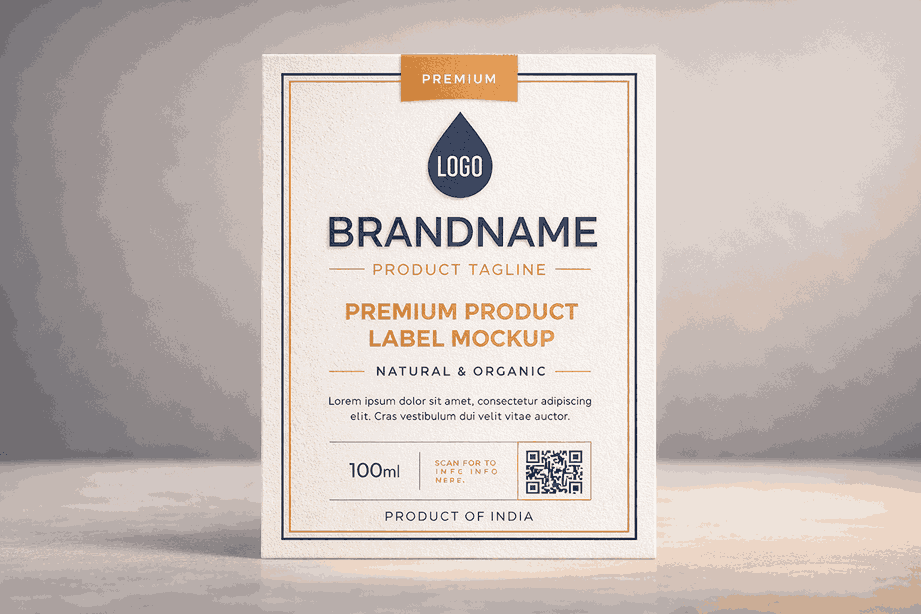
Understanding the process helps you collaborate better with your label designer.
1. Brand & Product Research
- Target audience
- Market competition
- Brand positioning
2. Content Structuring
- Product name
- Ingredients
- Legal text
- Brand story
3. Concept Development
- Color schemes
- Layout styles
- Typography selection
4. Design Execution
- Digital mockups
- Print-ready formats
- Size optimization
5. Final Testing & Delivery
- Print testing
- Material compatibility
- Final approval
A professional DESIGNER ensures accuracy at every stage.
The Role of a LABEL DESIGNER in Brand Storytelling
Modern consumers don’t just buy products — they buy stories. A professional LABEL DESIGNER helps communicate your brand story through design.
Storytelling elements in label design include:
- Brand mission or tagline
- Origin of ingredients
- Sustainability messages
- Emotional color choices
Even minimal labels can tell powerful stories when designed strategically. This emotional connection increases brand loyalty and repeat purchases.
Common Mistakes to Avoid
Avoiding these mistakes can save you time, money, and reprinting costs.
Top LABEL DESIGN Errors
- Choosing price over experience
- Ignoring legal compliance
- Overloading text
- Poor color contrast
- No print proof testing
A cheap label design often becomes the most expensive mistake.
How to Choose the Best LABEL DESIGNER in 2025
Here’s a proven checklist to evaluate a label designer:
Essential Selection Criteria
- Proven label design portfolio
- Industry-specific experience
- Understanding of printing materials
- Knowledge of compliance rules
- Ability to provide mockups
Look for designers who ask smart questions about your product — that’s a strong sign of expertise.
LABEL DESIGN Trends You Must Know in 2025
A future-ready designer stays updated with trends.
Top Label Design Trends
- Minimalist layouts
- Eco-friendly labeling
- QR code integration
- Transparent labels
- Bold typography
Trendy yet timeless designs perform best in competitive markets.
10 Bonus Points That Make a Great LABEL DESIGNER Stand Out (Explained in Detail)
These bonus points add depth, trust, and SEO value to your article and help position your brand as an authority.
1. Understanding of Printing Materials & Finishes
A professional LABEL DESIGNER understands how designs behave on real materials, not just screens.
They consider:
- Paper vs plastic labels
- Matte vs gloss finishes
- Waterproof and oil-resistant coatings
- Foil stamping and embossing
Without this knowledge, even beautiful designs can fail during printing or application.
2. Compliance Knowledge Saves You From Legal Trouble
Label regulations vary by industry and country. A skilled LABEL DESIGNER ensures compliance with:
- FSSAI / FDA guidelines
- Ingredient formatting rules
- Font size minimums
- Barcode placement
- Mandatory warnings
This prevents product recalls, penalties, and reputational damage.
3. Market Research Before Designing
Top label designers don’t start with colors — they start with research.
They analyze:
- Competitor labels
- Shelf placement
- Customer expectations
- Pricing category (budget vs premium)
This ensures your label doesn’t just look good — it sells better.
4. Brand Consistency Across All Products
A reliable LABEL DESIGNER builds systems, not just designs.
They maintain:
- Consistent color palettes
- Typography hierarchy
- Logo usage rules
- Spacing and alignment
This is critical when you launch multiple SKUs or product variants.
5. Scalability for Future Products
Good label design anticipates growth.
A future-ready LABEL DESIGNER creates layouts that:
- Adapt to different sizes
- Work for new flavors or variants
- Allow easy content updates
- Maintain visual consistency
This saves redesign costs in the long run.
6. Strong Focus on Readability
A label must be readable at a glance.
Expert label designers ensure:
- Clear product name visibility
- Proper contrast
- Logical information flow
- Legible fonts even at small sizes
Readability directly impacts consumer trust and usability.
7. Integration of Technology (QR Codes & Smart Labels)
Modern LABEL DESIGNER services include:
- QR code integration
- Traceability links
- Brand story videos
- Instructional content
Smart labels increase engagement and improve customer experience.
8. Eco-Friendly Label Design Awareness
Sustainability is no longer optional.
A knowledgeable label designer considers:
- Recyclable materials
- Minimal ink usage
- Eco-friendly messaging
- Sustainable brand positioning
This appeals to conscious consumers and aligns with global trends.
9. Collaboration With Packaging & Marketing Teams
The best LABEL DESIGNER works collaboratively with:
- Packaging manufacturers
- Marketing teams
- Brand managers
This ensures alignment between design, printing, and promotion — reducing errors and delays.
10. Post-Delivery Support & Revisions
A professional LABEL DESIGNER doesn’t disappear after delivery.
They provide:
- Print support
- Minor revisions
- Format changes
- Ongoing brand assistance
This long-term approach builds trust and reliability.
Recommended Links For More Understanding
How LABEL DESIGN Impacts Customer Experience
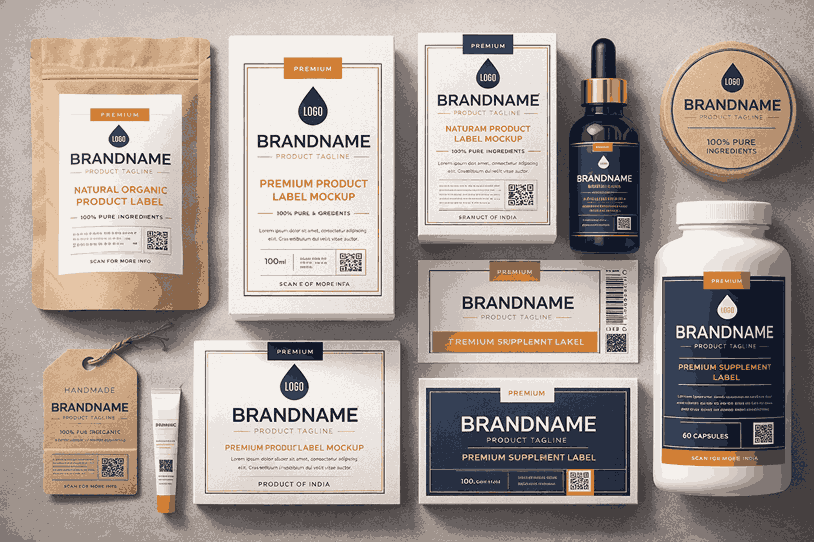
Label design doesn’t end at visual appeal — it affects how customers interact with your product.
A well-designed label:
- Makes instructions easy to follow
- Helps customers store products correctly
- Reduces confusion or misuse
- Enhances overall satisfaction
When customers find your product easy to understand and use, they trust your brand more. This is another reason why investing in an expert designer improves long-term customer experience.
How LABEL DESIGN Impacts Branding, Sales & Customer Trust
Let’s connect the dots.
A strong label:
- Increases shelf visibility
- Builds instant credibility
- Communicates value clearly
- Reduces buyer hesitation
- Strengthens brand recall
LABEL DESIGN for Online Marketplaces vs Retail Stores
Label design requirements change depending on where your product is sold. An experienced designer understands these differences clearly.
Label Design for Retail Stores
In physical stores, labels must:
- Stand out on crowded shelves
- Be readable from a distance
- Compete visually with similar products
- Follow strict barcode placement rules
Retail-focused label designers prioritize contrast, bold typography, and strong brand colors.
Label Design for Online Marketplaces
For platforms like Amazon, Flipkart, or D2C websites, labels must:
- Look attractive in thumbnail images
- Communicate value quickly
- Match online brand visuals
- Maintain clarity when zoomed
A skilled designer adapts designs to perform well both offline and online.
Real-World Example: From Generic to Premium
A local cosmetic brand struggled with low sales despite quality products. After hiring a professional designer, they:
- Simplified the label layout
- Improved typography
- Added premium finishes
- Clarified ingredient transparency
Result:
- Higher shelf attention
- Better online conversions
- Increased distributor interest
This is the real power of strategic label design.
Is It Worth the Investment?
Many businesses hesitate due to budget concerns.
But compare:
- Cost of redesign + reprinting
- Loss of consumer trust
- Poor shelf performance
Versus:
- One-time professional design
- Long-term brand value
- Increased sales
A professional designer is not an expense — it’s an ROI-driven investment.
How to Measure the Success of a LABEL DESIGN
Label design success is measurable. A professional LABEL DESIGNER designs with performance in mind.
Success indicators include:
- Increased shelf visibility
- Higher sales conversion
- Better distributor acceptance
- Positive customer feedback
Tracking these metrics helps businesses understand the real value of professional label design.
How LABEL DESIGN Builds Long-Term Brand Equity
Brand equity is built over time through consistent and positive customer experiences. Label design plays a foundational role in this process.
A consistent label system:
- Improves brand recognition
- Builds consumer trust
- Strengthens shelf presence
- Supports marketing campaigns
A professional LABEL DESIGNER creates design systems that grow with your brand instead of forcing frequent redesigns.
LABEL DESIGNER as a Long-Term Brand Partner
The best label designers don’t work project-to-project — they build long-term partnerships.
A long-term LABEL DESIGNER:
- Understands your brand deeply
- Maintains design consistency
- Supports new launches
- Reduces onboarding time
This partnership approach saves time, money, and effort over the years.
Conclusion:
Your label is not just packaging — it’s your brand ambassador.
In 2025 and beyond, businesses that invest in professional LABEL DESIGNER services gain:
- Stronger market presence
- Better customer trust
- Higher conversion rates
- Long-term brand consistency
Whether you’re launching a new product or revamping an existing one, the right label designer can transform how your brand is perceived.
Call to Action (CTA)
If you’re serious about building a brand that sells, now is the time to work with an experienced LABEL DESIGNER who understands branding, compliance, and consumer psychology.
👉 Get a professionally designed product label that attracts attention, builds trust, and drives sales.
👉 Contact Logo Designer India today and elevate your brand packaging.
Frequently Asked Questions (FAQ) –
1. What does a professional LABEL DESIGNER do?
A LABEL DESIGNER creates compliant, visually appealing, and market-ready labels that communicate brand value and product information effectively.
2. How much does a LABEL DESIGNER charge?
Costs vary based on complexity, industry, and revisions. However, professional label design offers long-term value and better ROI than cheap designs.
3. Why is label design important for product sales?
Label design affects first impressions, trust, readability, and shelf visibility — all of which directly influence purchasing decisions.
4. Can one LABEL DESIGNER handle multiple products?
Yes. A professional label designer builds scalable design systems suitable for multiple SKUs and future expansions.
5. How do I choose the best LABEL DESIGNER near me?
Check portfolio quality, industry experience, compliance knowledge, print understanding, and communication skills before hiring.